
What if the journey of birth could transform not just your life, but the lives of generations before and after you? What if the choices you make even before conception could release ancestral wounds, restore your lineage, and create a foundation of healing for the children to come?
In many African traditions, birth was never held by one person. Women, elders, healers, and families worked together to support mothers and welcome children with rituals and ceremonies.
Elders believed that parenthood begins long before pregnancy. Without having studied neuroscience of birth, they understood that the choices we make before conception, during pregnancy, and in the way we welcome life into the world shape not only our children, but families, communities, and generations to come.
In this virtual birthing space, I invite you to envision and experience birth as a site of conscious generational healing and restoration.
Whether you are preparing to become a parent, supporting births, healing your own birth trauma, or reclaiming Indigenous ways of childbirth, you are welcome.
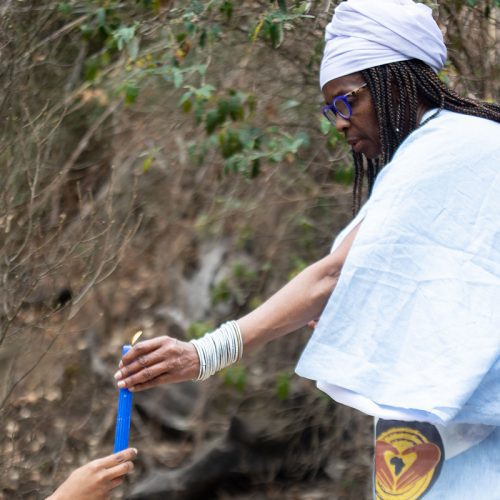
I did not arrive at this point through textbooks. The framework emerged through observing and interaction with elders. It is from encounters with Indigenous midwives whose way of caring did not carry the fragmentation I had been trained to normalise that I began to realise that what modern biomedical systems separate were once held together within a common restorative ecosystem. At first, I did not have the language to describe what I was witnessing. Naming this as Womb-Birth-Lineage framework is my attempt to find language for their wholistic care.
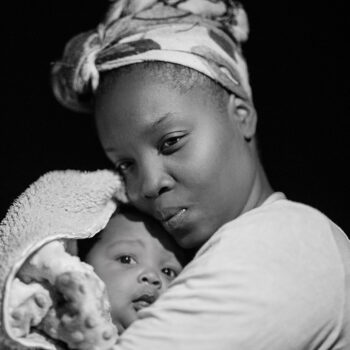
This framework reclaims the Indigenous knowledge of birth which was suppressed during colonialism. My reclamation of Indigenous knowledge of birth is not a dismissal of biomedicine. The latter prevents many pregnancy-related complications and saves many lives. However, even a well-intentioned unconsented intervention in a technocratic system can cause harm.
In the end, a holistic continuum of care is about asking ourselves these questions:
- What will become possible if we allow more than one way of giving birth?
- How can we provide care that is clinically effective and medically safe, but also spiritually healing and culturally safe?

Step 1: Choose An Offering

Step 2: Book An Appointment
